
Canfield, Gobster, Huff, Lawler, Lebowitz, Lee, Pessereau, Schoenberger, Sommer, Yang, Yi
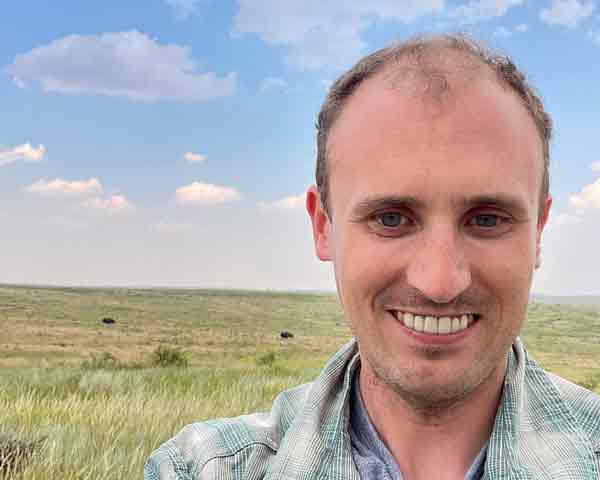
John Canfield explored how a complex network of ranchers, conservation groups, and community organizations in Montana’s Northern Great Plains work to promote resiliency.
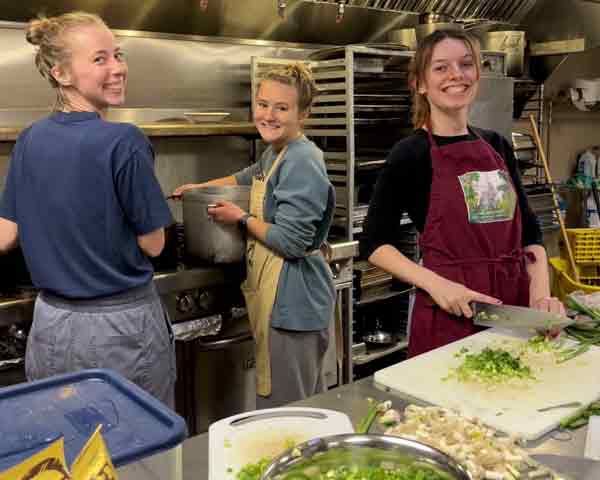
Delaney Gobster (left) worked with UW-Madison students and community partners to promote local gleaning initiatives, developing the Wisconsin Food Access project.
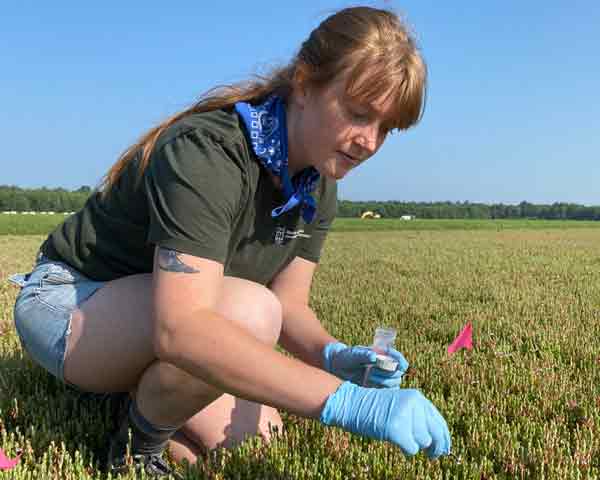
Celeste Huff worked with cranberry growers to understand their opinions and trusted resources for cranberry management practices.
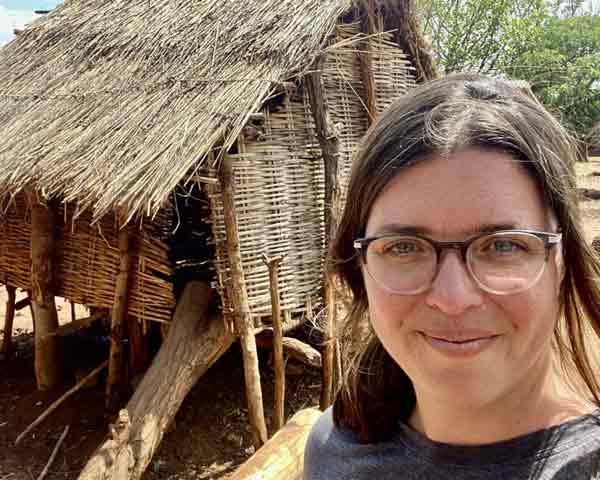
Laura Lawler analyzes global Climate Smart Agriculture (CSA) conceptual frameworks and governance strategies, supported with a case study of CSA implementation in Zambia.

Ben Lebowitz is connecting with stakeholders and experts in the Colorado River Basin to investigate farmer/producer responses to shifting water prices.
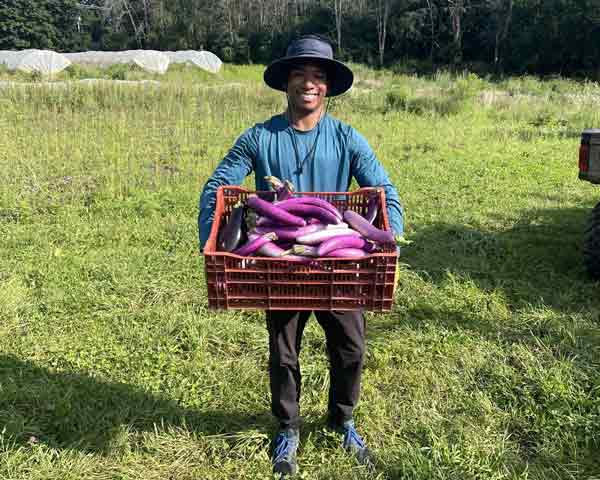
Tristian Lee worked with urban and peri-urban farmers in Montréal, Québec to understand the growing role of women and queer youth in urban agriculture.
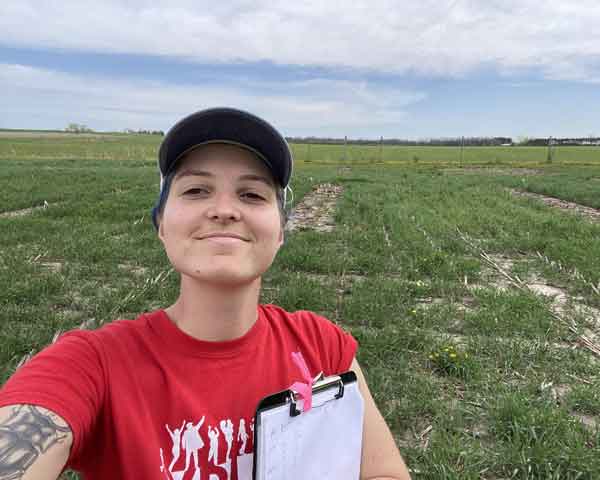
Eliza Pessereau investigated the use of flowering cover crops to provide habitat for wild pollinators and support pollination of nearby crops.
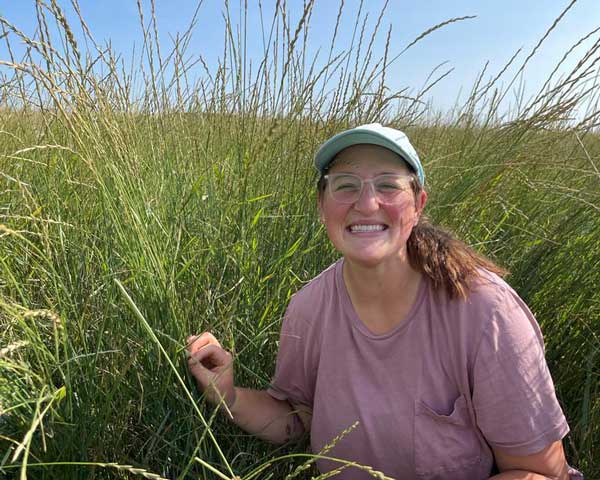
Erica Shoenberger explored agronomic management practices to maintain grain yields overtime in the perennial grain and forage crop, Kernza, on research stations and farms throughout Wisconsin.
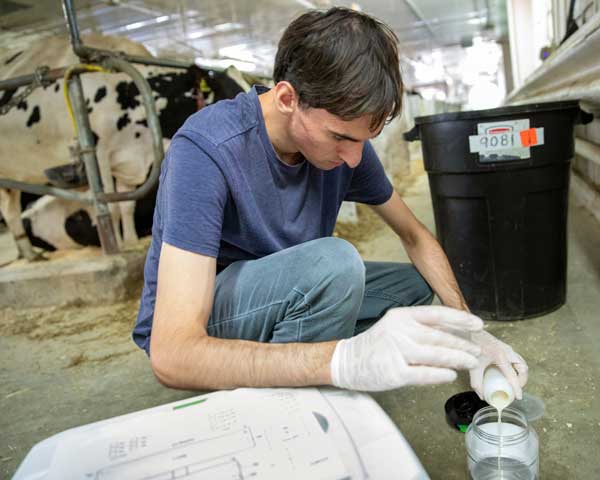
Andrew Sommer is investigating the role of muscid flies in disease transmission on dairy farms.
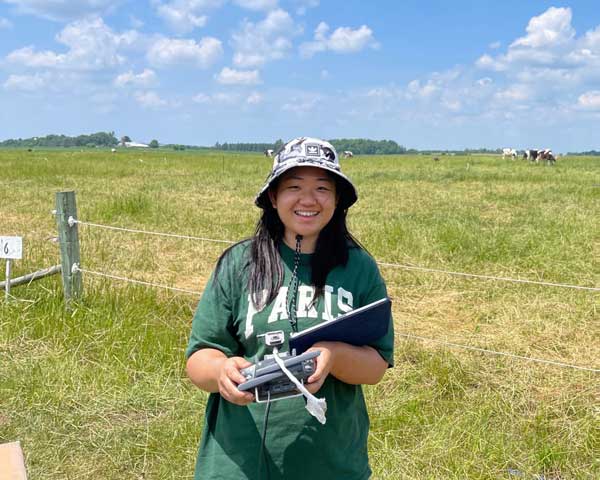
Doee Yang uses aerial mapping to quantify air emissions from rotationally grazed dairy pastures.

Yoonhong Yi is designing a ventilation system for an old tie-stall building, which is being repurposed to house calves.
SUMMARY
Rurality as Relations: Organizational networks, multispecies interactions, and place-based knowledge in north central Montana’s changing socio-ecological landscape
Student Researcher: John Canfield, Sociology
Faculty Advisor: Katherine Curtis, Sociology
John Canfield explored how a complex network of ranchers, conservation groups, and community organizations in Montana’s Northern Great Plains work to promote resiliency.
Geographies of Food Excess and Access: Visualizing Dane County foodscapes
Student Researcher: Delaney Gobster, Geography
Faculty Advisor: Holly Gibbs, Geography
To explore the root causes of food excess and access issues within the Dane county community and the greater Wisconsin foodscape, the Wisconsin Food Access (WiFA) project was founded at the start of the spring 2023 semester. As a campus-community collaborative, WiFA integrates community-based learning within UW-Madison coursework, while supporting organizations within our local food system.
Pressures and incentives for cranberry management practices
Student Researcher: Celeste Huff, Agroecology and Entomology
Faculty Advisor: Shawn Steffan, Entomology
Celeste Huff worked with cranberry growers to understand their opinions and trusted resources for cranberry management practices.
The political ecology of climate-smart agriculture
Student Researcher: Laura Lawler, Geography
Faculty Advisor: Matt Turner, Geography
Laura Lawler analyzes global Climate Smart Agriculture (CSA) conceptual frameworks and governance strategies, supported with a case study of CSA implementation in Zambia.
Examining the effects of increased water prices to agricultural producers in the Colorado River basin
Student Researcher: Ben Lebowitz, Environment and Resources
Faculty Advisor: Chuck Nicholson, Agricultural & Applied Economics
Ben Lebowitz is connecting with stakeholders and experts in the Colorado River Basin to investigate farmer/producer responses to shifting water prices.
Growing Resistance: An analysis of Montreal’s urban agriculture
Student Researcher: Tristian Lee, Sociology and Community and Environmental Sociology
Faculty Advisor: Nan Enstad, Community and Environmental Sociology
Tristian Lee worked with urban and peri-urban farmers in Montréal, Québec to understand the growing role of women and queer youth in urban agriculture.
Evaluation of flowering cover crops to support wild pollinators in Wisconsin
Student Researcher: Eliza Pessereau, Agroecology and Entomology
Faculty Advisor: Claudio Gratton, Entomology
Eliza Pessereau investigated the use of flowering cover crops to provide habitat for wild pollinators and support pollination of nearby crops.
Managing inter-row spacing and nitrogen fertility in dual-use Kernza intermediate wheatgrass (Thinopyrum intermedium) to sustain grain yield over time
Student Researcher: Erica Shoenberger, Agronomy and Environment and Resources
Faculty Advisor: Valentin Picasso, Agronomy
Erica Shoenberger explored agronomic management practices to maintain grain yields overtime in the perennial grain and forage crop, Kernza, on research stations and farms throughout Wisconsin.
Genetic diversity of mastitis-associated bacterial isolates from stable flies in Wisconsin dairy barns
Student Researcher: Andrew Sommer, Bacteriology
Faculty Advisor: Kerri Coon, Bacteriology
Andrew Sommer is investigating the role of muscid flies in disease transmission on dairy farms.
Aerial mapping of ammonia emissions from rotationally grazed dairy pastures
Student Researcher: Doee Yang, Biological Systems Engineering
Faculty Advisor: Neslihan Akdeniz, Biological Systems Engineering
Doee Yang uses aerial mapping to quantify air emissions from rotationally grazed dairy pastures.
Ventilation design for calf barns
Student Researcher: Yoonhong Yi, Biological Systems Engineering
Faculty Advisor: Neslihan Akdeniz, Biological Systems Engineering
Yoonhong Yi is designing a ventilation system for an old tie-stall building, which is being repurposed to house calves.