
-

ATTER (Agroecological Transitions for Territorial Food Systems)
ATTER is an interdisciplinary and multi-sectoral exchange program aiming at scaling out agroecological transitions for territorial food systems. It gathers 19 organisations (researchers and practitioners) and relies on 16 territorial case studies anchored in five countries (France, Italy, UK, Brazil and USA).
-
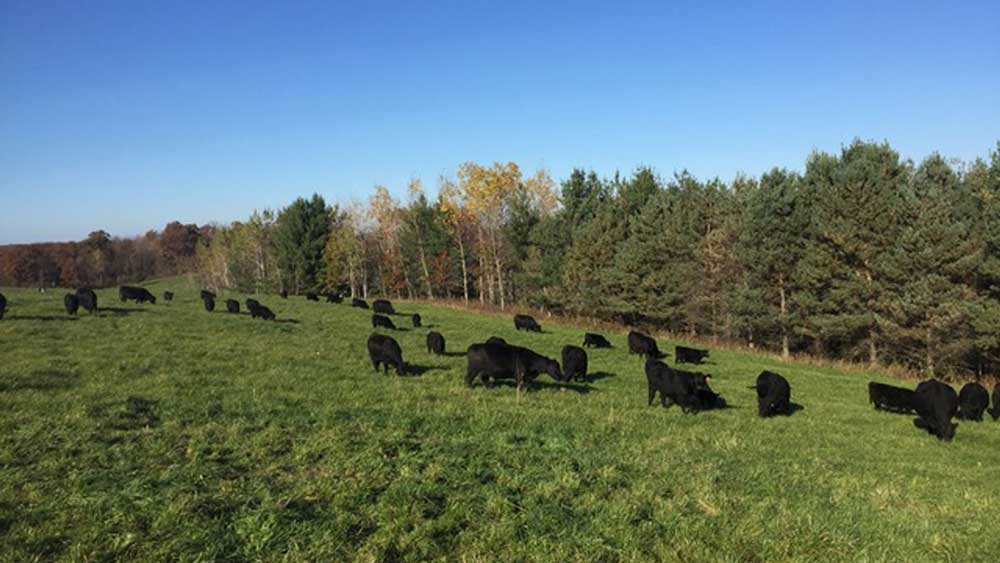
Compass Tools Program
Farm Viability: Ways to make farming profitable. Research, tools, and information on how farmers can build and maintain an economically viable farm business.
-
DCB (The Diverse Corn Belt Project)
Expanding Opportunities for Farmers, Consumers, and Rural Communities The Diverse Corn Belt Project (DCB) explores the real-world impacts of diversified farming systems. Our hypothesis—backed by extensive data we’ve gathered during the last four years—is that greater diversity in crops, livestock, and people in the Corn Belt farming community will improve risk management options, resilience, and…
-
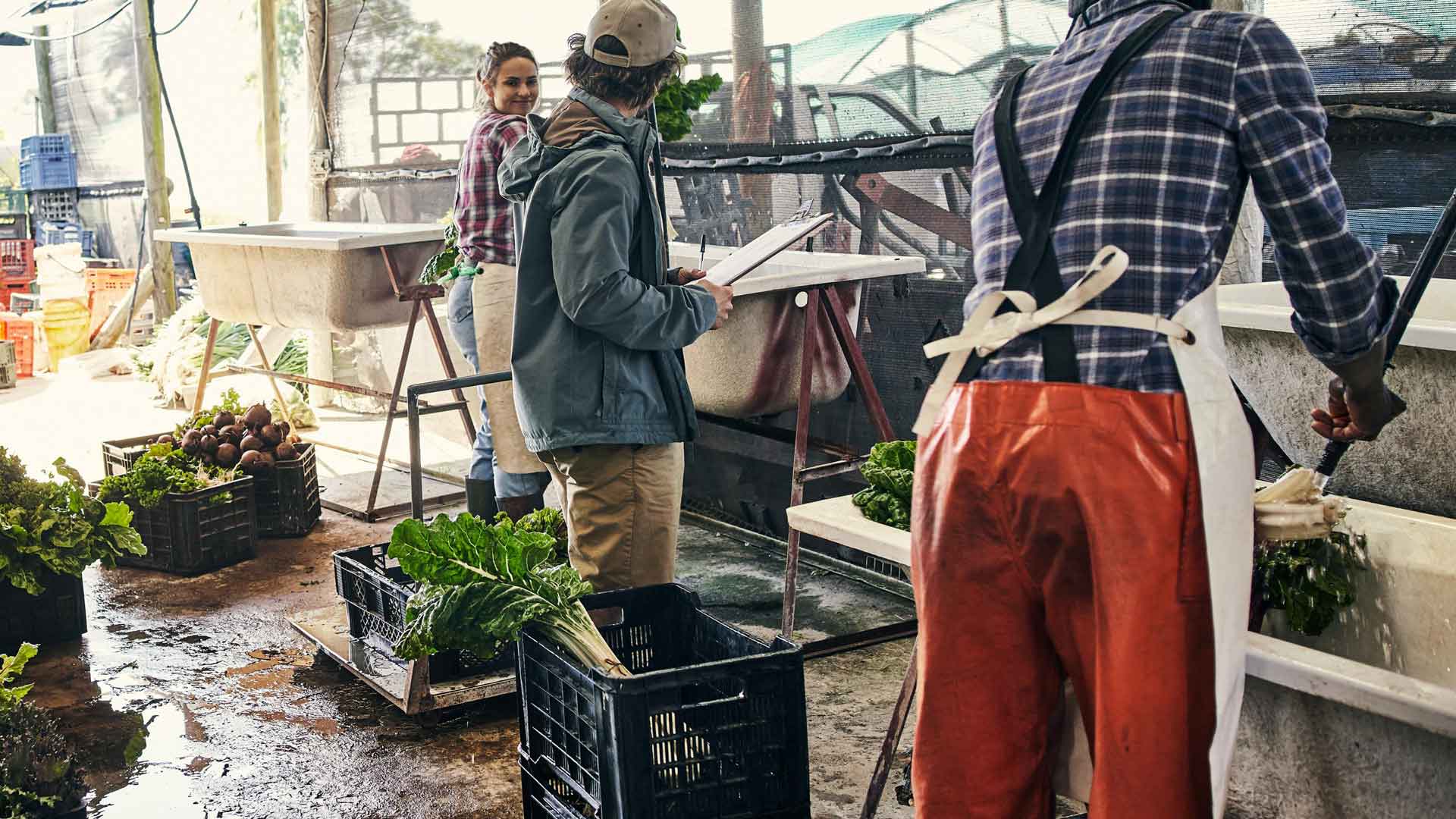
Farm Labor Management Dashboard
Good decision-making around the type and amount of labor needed on a farm enhances the farm household’s quality of life and increases the likelihood farmers will successfully meet their financial goals. This site provides tools and strategies to help small and medium-sized fruit and vegetable farms make informed labor decisions. Our hypothesis—backed by extensive data…
-
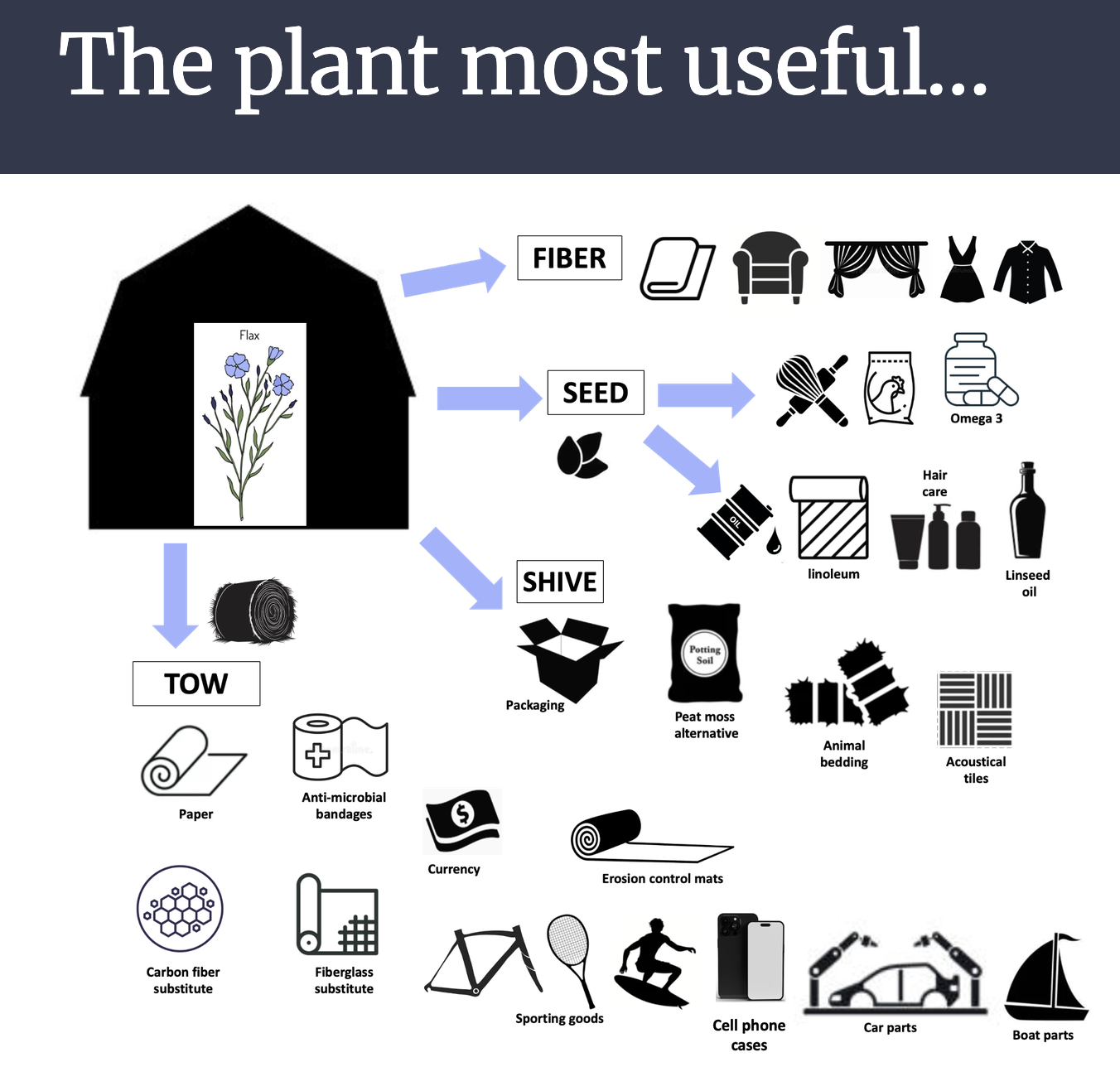
Forward Ag Invests in Midwest Linen Revival
A team organized by Leslie Schroeder at Midwest Linen Revival is working on a business plan for linen in Wisconsin. John Hendrickson & Michelle Miller at UW CIAS and Sam Bibby at UW Extension (Ettrick) are working with Leslie to develop the plan, from seed to linen fabric at scale. Project investors are needed to…
-
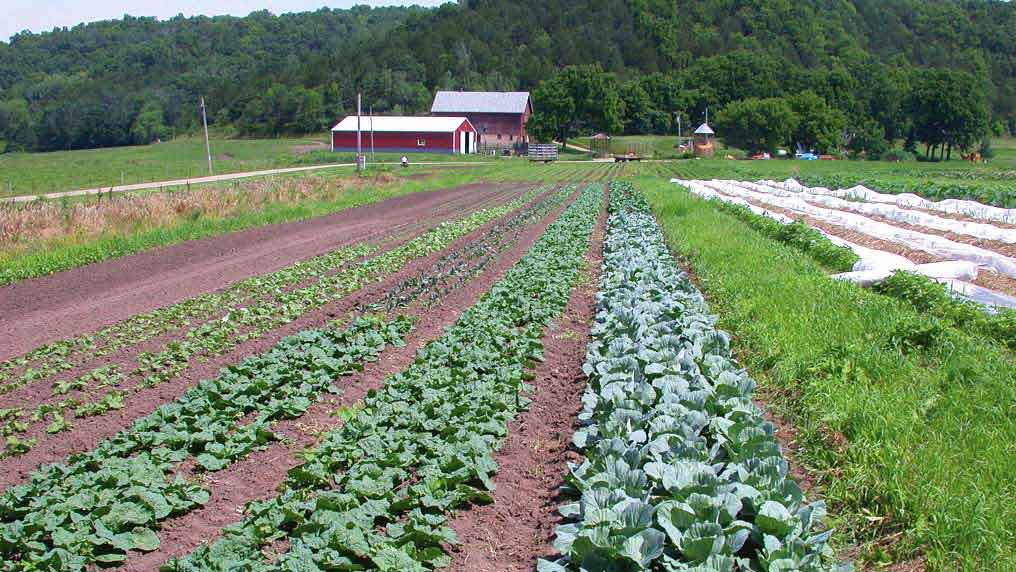
Grower to Grower: Creating a Livelihood on a Fresh Market Vegetable Farm
For most fresh market vegetable growers, earning a reasonable living from their farms is a bigger challenge than growing produce. While growers often share production information freely, they may be reluctant to share financial information. Many growers are looking for ways to collect this information and share it with others without divulging confidential business details.…
-
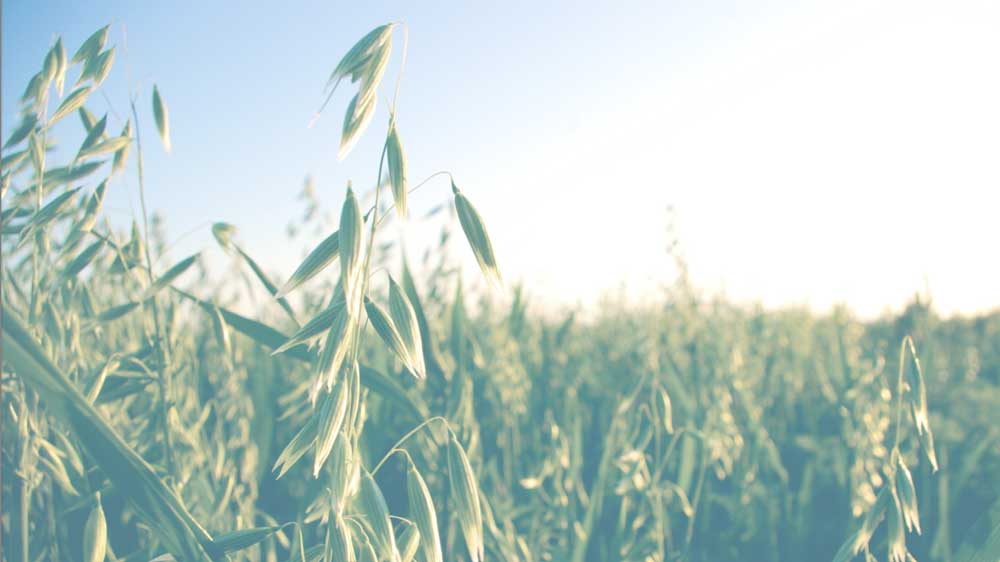
Growing the use of small grains in the Upper Midwest
Small grains bring many benefits to agricultural systems, yet most farmers in the Upper Midwest no longer plant them in rotations. CIAS worked in partnership with the Michael Fields Agricultural Institute, the Artisan Grain Collaborative, the University of California, Davis, and Purdue University to study why farmers don’t grow more small grains, and how to…
-
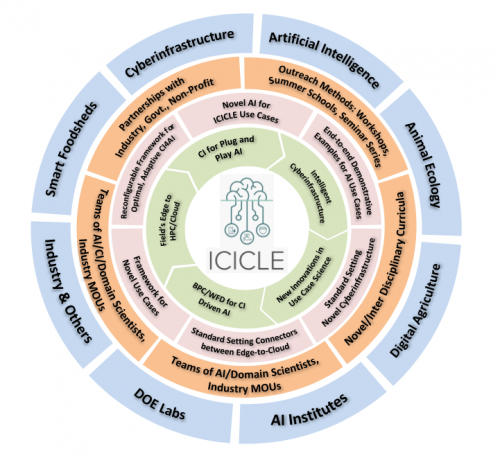
ICICLE (Intelligent Cyberinfrastructure with Computational Learning in the Environment)
Led by The Ohio State University, the U.S. National Science Foundation funded AI institute for Intelligent Cyberinfrastructure with Computational Learning in the Environment (ICICLE) will build the next generation of Cyberinfrastructure to render Artificial Intelligence (AI) more accessible to everyone and drive its further democratization in the larger society. Issues of data sovereignty, societal benefits and costs, and technology governance…
-
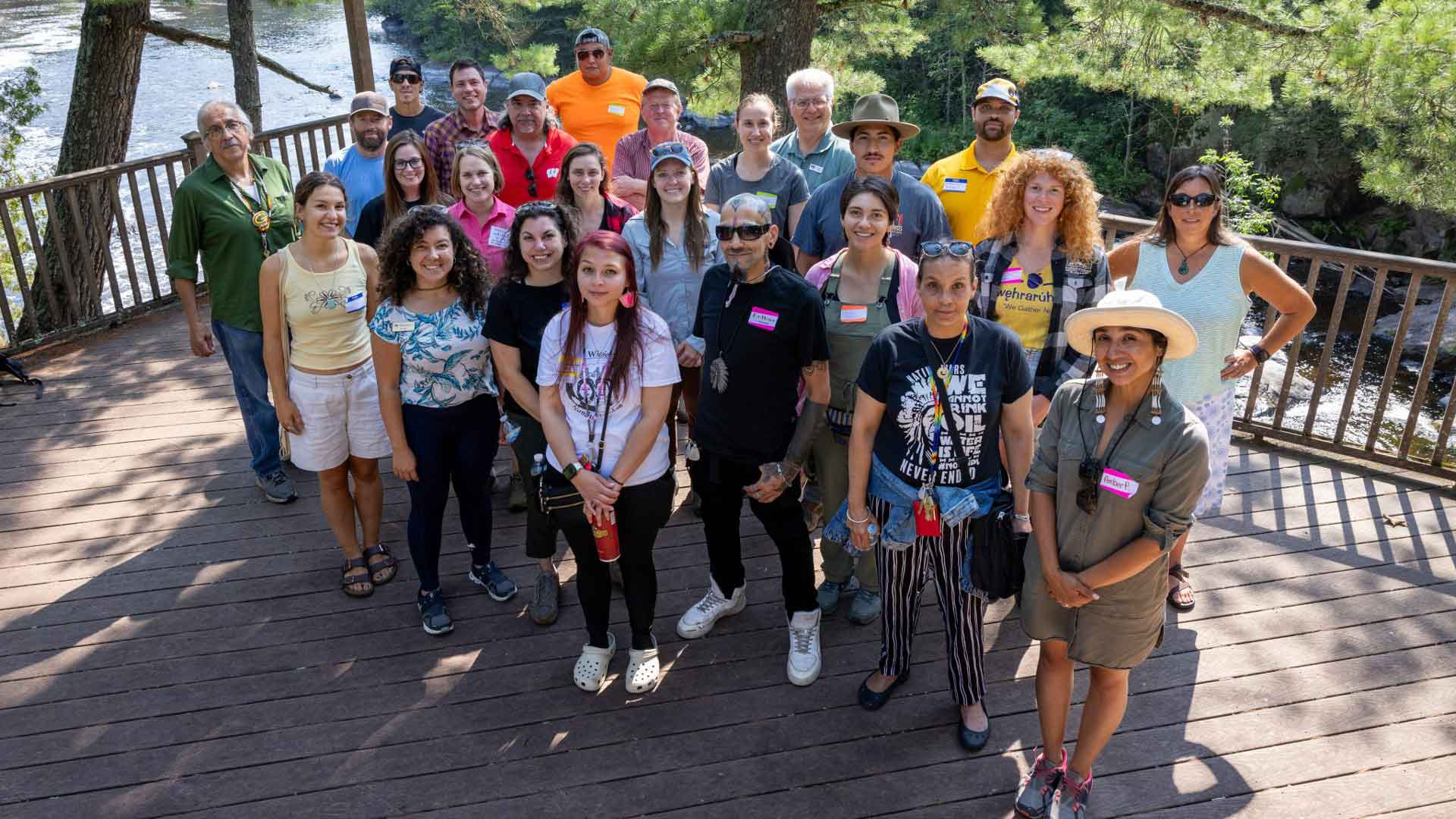
Intertribal Food Ways in the Great Lakes Region
The Center for Integrated Agricultural Systems (CIAS), in collaboration with Tribal partners, has launched a significant initiative aimed at supporting Native American food traditions and sovereignty in the Great Lakes region. Returning to Our Roots: Rebuilding Native Farming Traditions and Food Sovereignty for Great Lakes Indigenous People is funded by a $10 million Sustainable Agricultural…
-
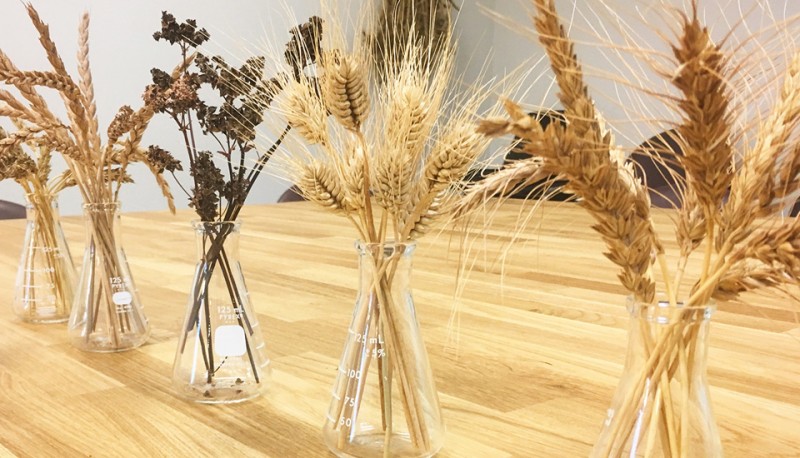
State of the Grain: Defining, Evaluating, and Showcasing the Regional Grainshed in the Upper Midwest U.S.
CIAS has partnered with the Artisan Grain Collaborative and grainchain coordinators from across the United States to define, evaluate, and showcase regional grainsheds. Working with grainchain coordinators and our Project Advisory committee of farmers, processors, and end-users, we will develop a shared definition of the grainshed and indicators for an evaluative tool to measure regional…
-
The Soil Health Alliance for Research and Engagement (SHARE)
Scientifically-grounded, farmer-engaged strategies to build soil health. The Soil Health Alliance for Research and Engagement (SHARE) brings together scientists, farmers, and advocacy partners to advance practical, profitable soil health solutions through research and outreach in the Upper Midwest and beyond. Our hypothesis—backed by extensive data we’ve gathered during the last four years—is that greater diversity…
-
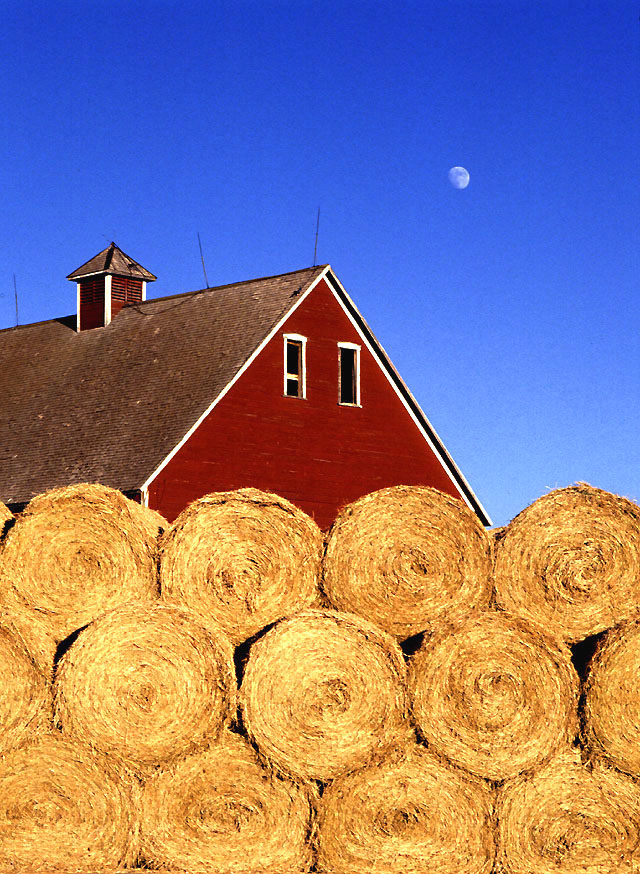
Toward a Sustainable Agriculture
Educators are welcome to adapt and reproduce sections of the curriculum’s six modules for non-commercial use. They cover an overview, field crops, animals, horticulture, organic and urban agriculture topics.