Why oats and why the Upper Midwest?
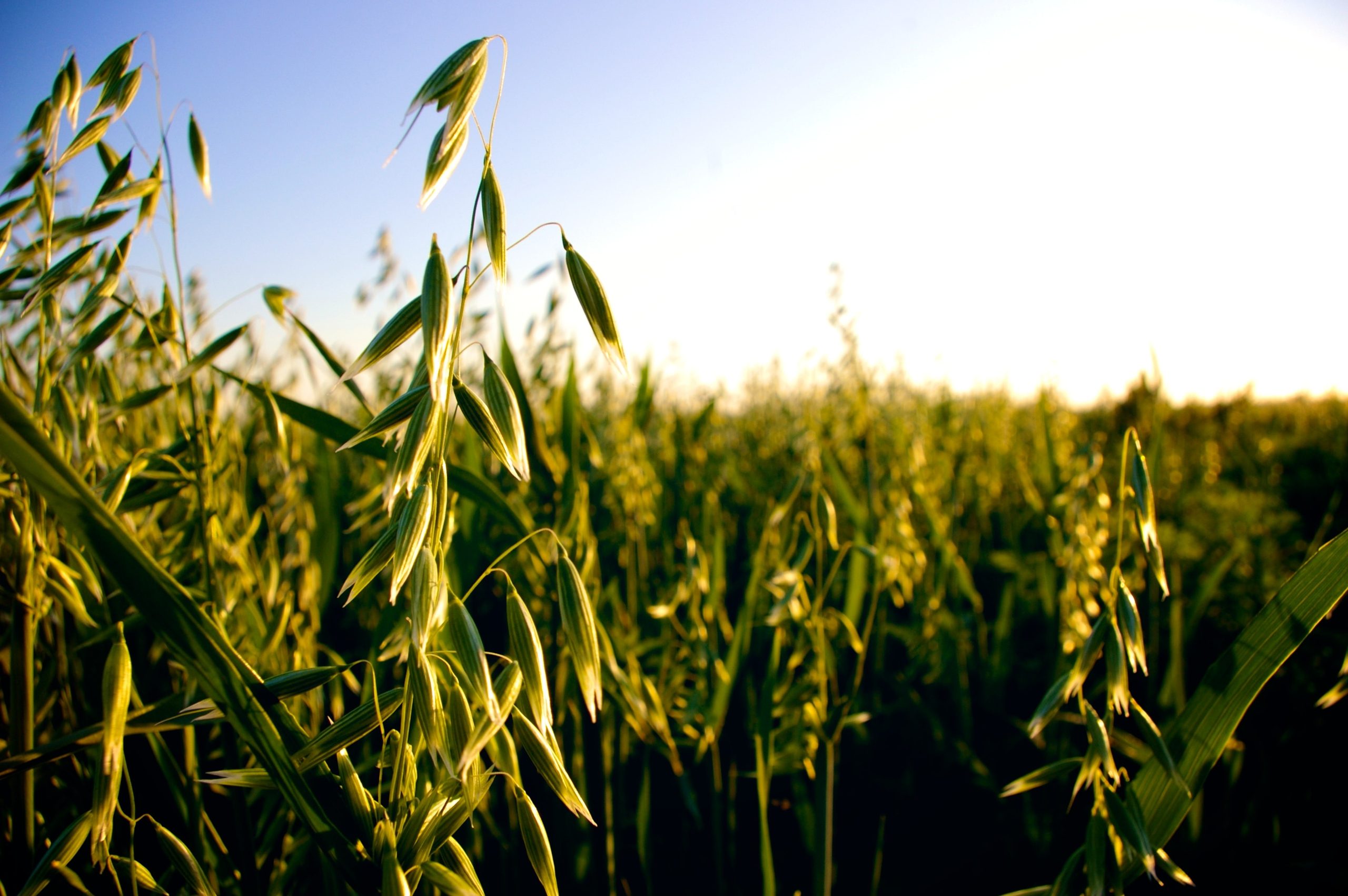
Oats are good for the land, good for spreading risk within cropping systems, and good for local food production. In the Upper Midwest, oats are a key part of creating more resilient agricultural and food systems. Yet, only 1% of cropland acres in the region are planted to oats, and even fewer acres are grown to be sold as a food crop. Once a common crop in rotations, oat production has steadily declined over the last century, largely replaced by corn and soybeans in simplified rotations. Bringing oats back to the landscape requires aligning the many interconnected factors that determine whether a minor crop will succeed in areas dominated by commodity production and ultimately end up on the plates of local consumers. To address this challenge, The Nature Conservancy is partnering with the Center for Integrated Agricultural Systems at the University of Wisconsin–Madison to identify the enabling conditions that support successful food-grade supply chains and to develop a comprehensive roadmap to a thriving food-grade oat economy in the Upper Midwest.
Project plan
For this project, we will conduct around 25 semi-structured key informant interviews across Wisconsin, Iowa, and Minnesota. Through these interviews, we will document the critical enabling conditions and map the pathway forward. We expect to examine a range of agronomic and structural factors that may constrain or support farmer adoption of oats, including:
| Genetics; Inputs, Equipment; Crop insurance; Improved production practices | Peer networks; Storage and processing infrastructure; Market development and contracts; Secondary markets | Labeling; certification, and consumer education; Commodity associations and check-off dollars; Supportive local, state, federal policies and programs |
The final products of this work will include an open-sourced academic manuscript and an “Oat Road Map” that will provide a clear and detailed model of the crop and supply chain development needed for food-grade oats to thrive in the Midwest. These products are intended to inform and engage a broad range of stakeholders, including the investment community, philanthropic professionals, state legislators, state Departments of Agriculture and Rural Economic Development, farmer co-ops, and buyers such as consumer-packaged goods companies, small and medium-sized food companies, and purchasers of animal feed.
People
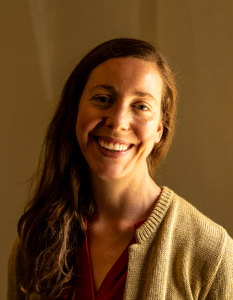
Dr. Lauren Asprooth is the PI on this work funded by, and in collaboration with, The Nature Conservancy. Dr. Marie Carmen Shingne is helping to lead the data collection, analysis, and writing.