All News
-
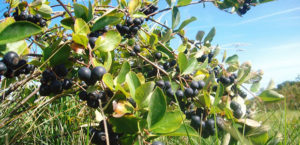
Uncommon Fruit
Want to learn more about fruits like aronia, currants, Saskatoon, and even jostaberries? CIAS worked with Dale Secher of Carandale Farm to create a website detailing Secher's 10 years of…
-
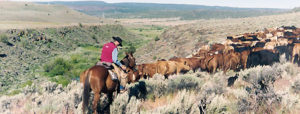
Values-Based Food Suppy Chain Case Study: Country Natural Beef
Country Natural Beef started with 14 ranching families marketing 200 head of natural beef cattle in 1987. In recent years, the cooperative has nearly 100 member ranches in multiple states…
-
Values-Based Food Supply Chain Case Study: Good Earth Farms
Begun in 2005 by Mike and Deb Hansen in central Wisconsin, Good Earth Farms includes five operations that sell nearly all of their certified organic meat through the internet.
-
CIAS works with Driftless Region partners on emerging forest crops
CIAS is working with Rooted Spoon Culinary, New Forest Farm, the Upper Midwest Hazelnut Development Initiative and the Midwest Aronia Association on the production, processing and marketing of three forest…
-
Marketing the Native Understory: Selling Driftless Hazelnuts, Aronia and Mushrooms Direct to Chefs
Viroqua, WI Hazelnuts and aronia are newly emerging, cultivated woody perennial crops in the Upper Midwest, and wild mushrooms are part of a long tradition of foraging in this region.…
-
Marketing the Native Understory: Selling Driftless Hazelnuts, Aronia and Mushrooms Direct to Chefs
Hazelnuts and aronia are newly emerging, cultivated woody perennial crops in the Upper Midwest, and wild mushrooms are part of a long tradition of foraging in this region. These "forest…
-
Growing the Pasture-Grazed Dairy Sector in Wisconsin
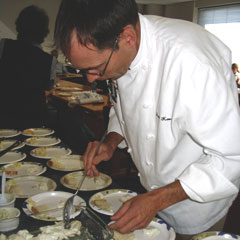
The vast majority of dairy cattle in the United States never see the outdoors while they’re lactating. Over 50% of the milk produced in the US comes from just 1750…
-
Values-Based Food Supply Chain Case Study: Shepherd’s Grain
In the mid 1980s, a pair of wheat producers, Karl Kupers and Fred Fleming, became convinced that the conventional dryland wheat farming they were practicing was not sustainable in the…

-
Values-Based Food Supply Chain Case Study: Organic Valley
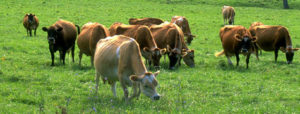
In 1988, a small group of organic vegetable growers in Wisconsin formed a cooperative to provide stable and fair prices to its members. It evolved into Organic Valley, the largest…
-
Values-Based Food Supply Chain Case Study: Co-op Partners Warehouse
Co-op Partners Warehouse was established in 1999 by the Wedge Natural Foods Co-op in Minneapolis, Minnesota. This certified organic wholesale distribution warehouse serves retail stores, food service businesses and buying…