

Another Successful Year for the CIAS Graduate Student Summer Research Mini-Grant Program
Advancing Leadership and Innovation in Sustainable Agriculture
Since 2013, generous support from the Single Step Foundation has made it possible for the Center for Integrated Agricultural Systems (CIAS) at the University of Wisconsin–Madison to invest in graduate student research through its Summer Research Mini-Grant Program.
These awards empower emerging scholars to pursue cutting-edge research aligned with CIAS’s mission — advancing participatory action research, strengthening systems-based thinking, and building transdisciplinary connections across agriculture, conservation, and community well-being.
Celebrating Student Achievement
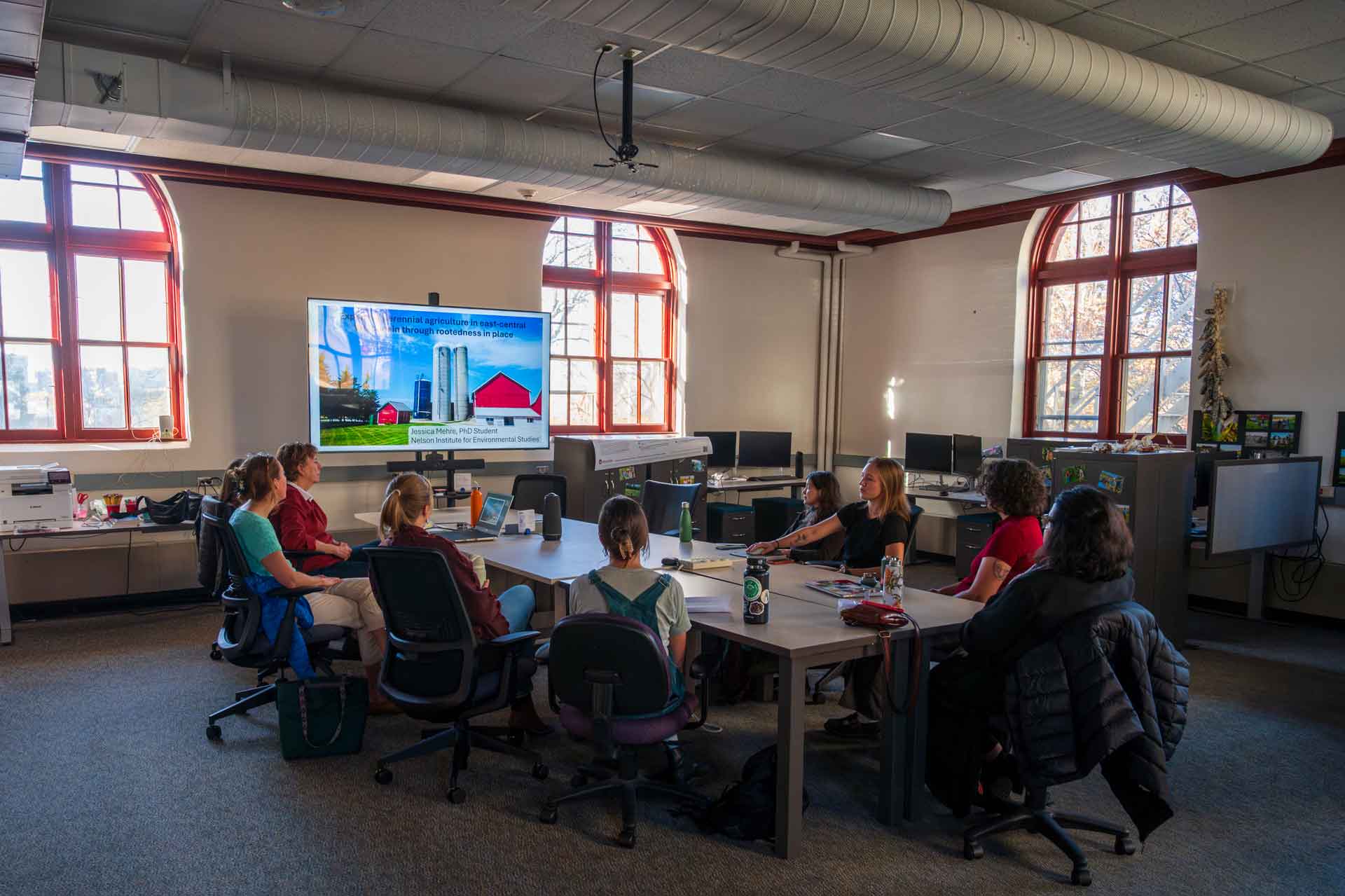
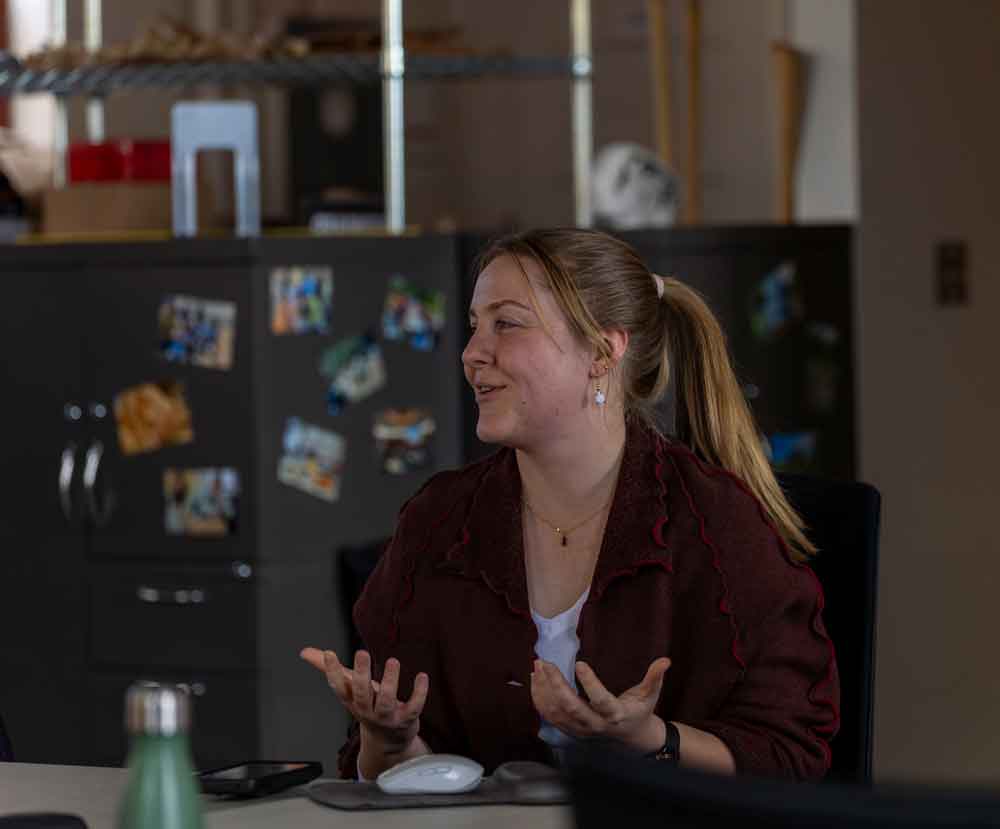
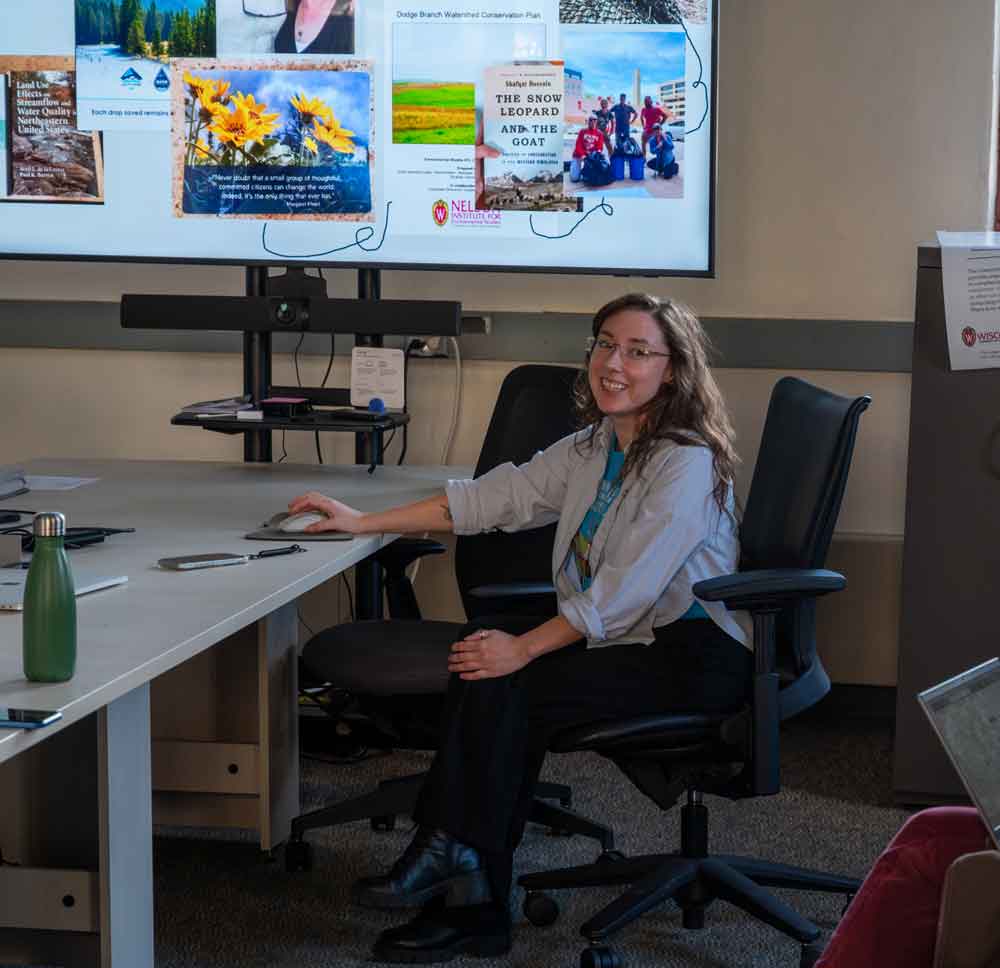
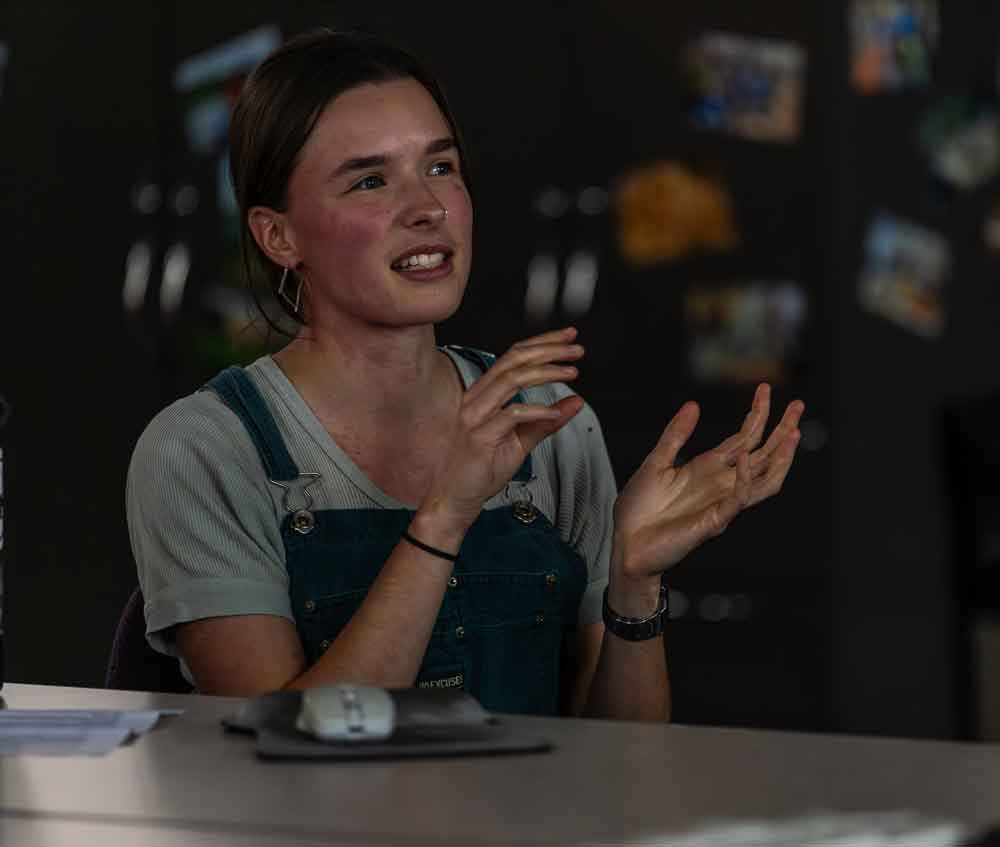
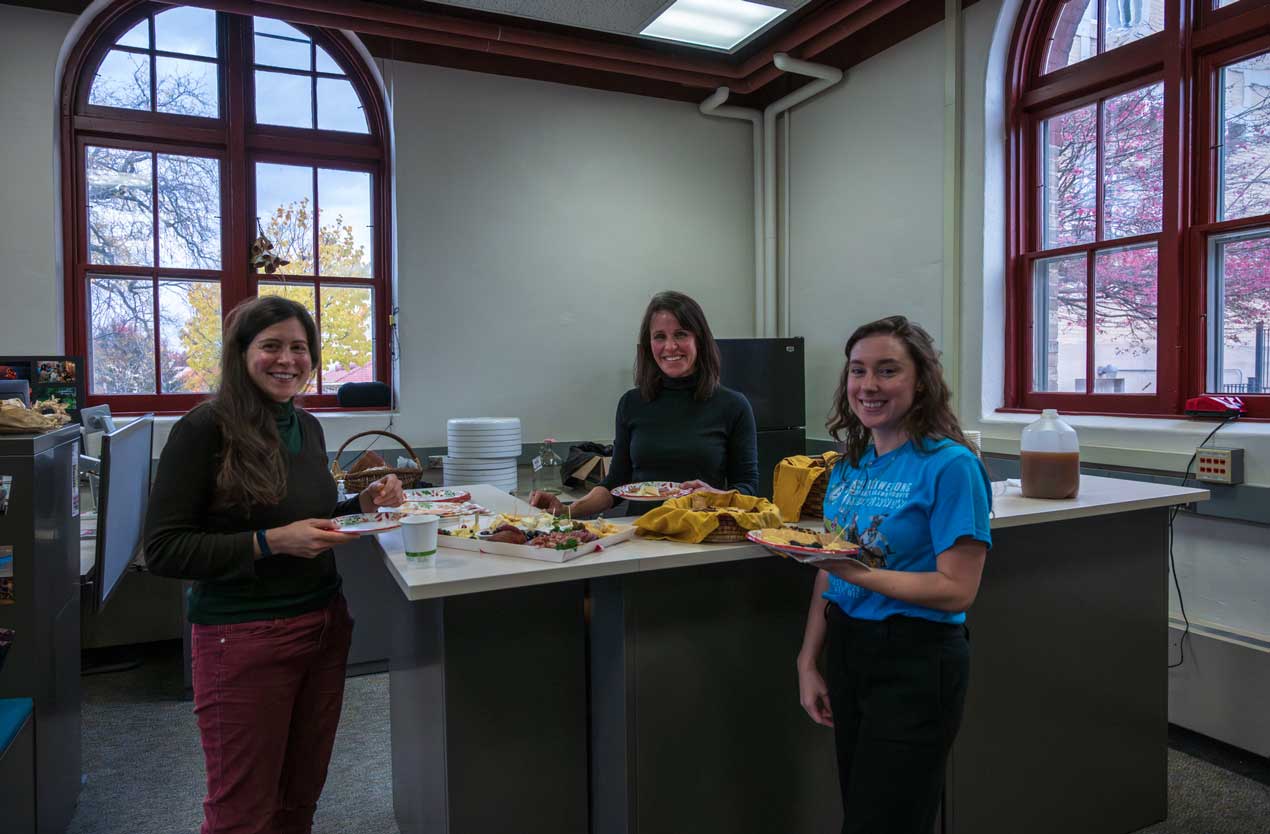
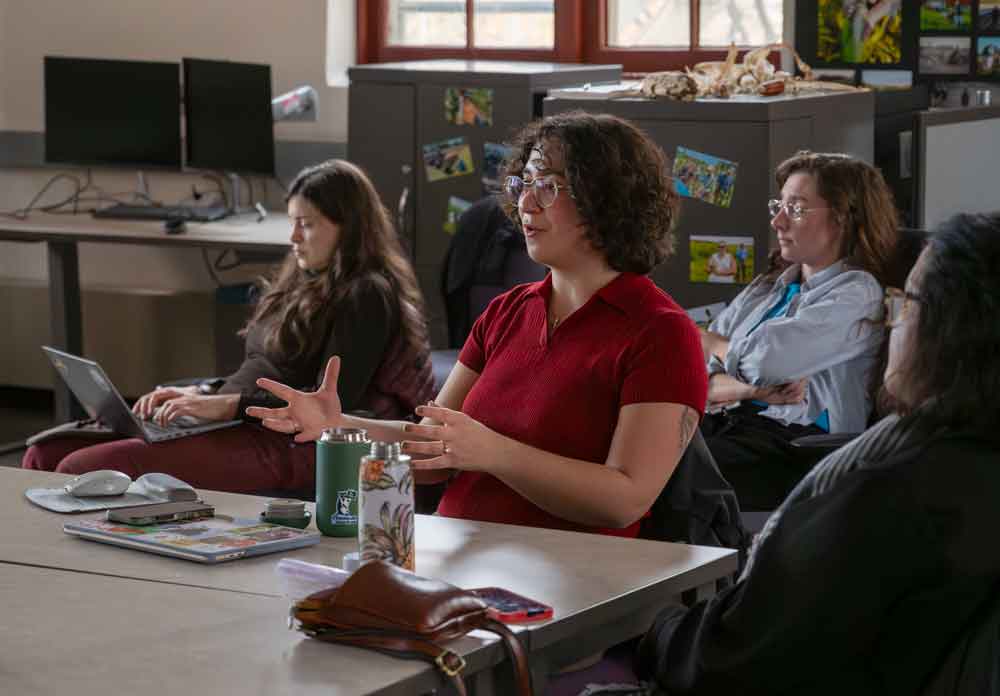
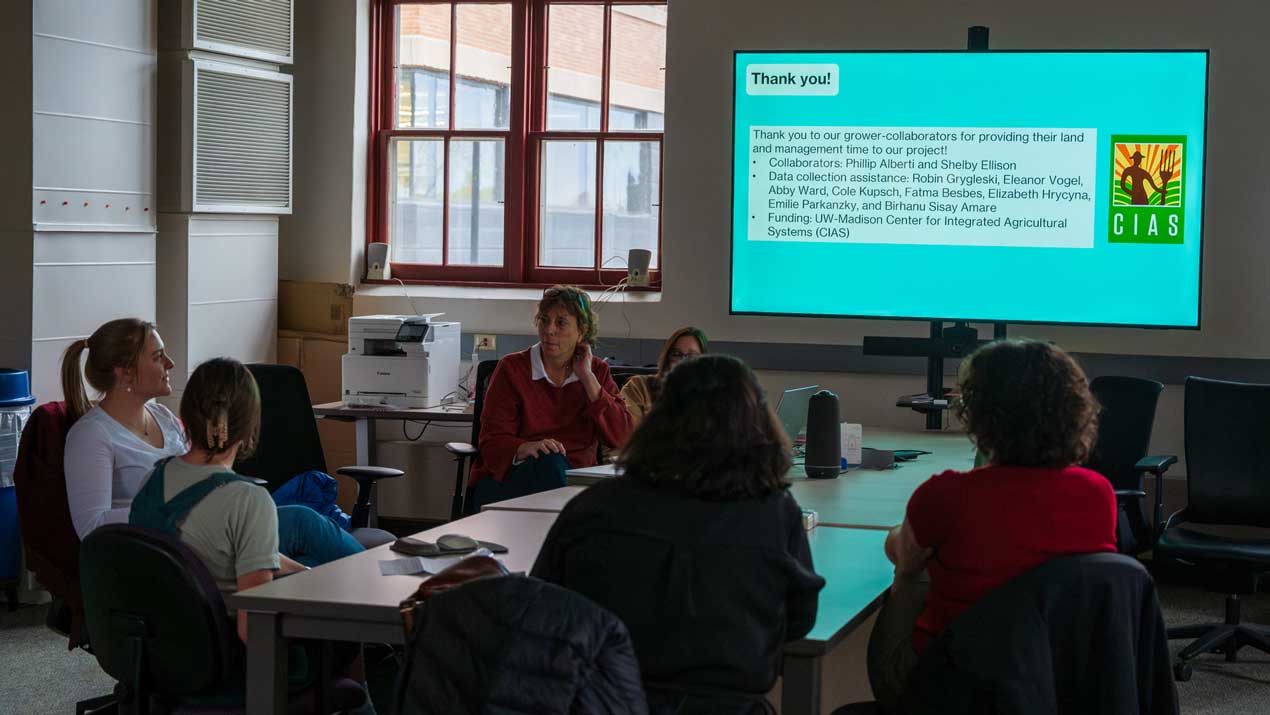
On November 7, 2025, CIAS hosted a research presentation event honoring this year’s mini-grant recipients. Graduate researchers shared the outcomes of their summer projects with peers and faculty. A celebratory reception followed, recognizing not only the rigor of their scholarship but the leadership, collaboration, and innovation their work represents.
The event reflected what donor support makes possible: meaningful research grounded in community engagement and real-world impact.
Leadership at the Intersection of Agriculture & Conservation
Building on this momentum, CIAS partnered with the Aldo Leopold Foundation to host a Leadership Workshop on Agriculture & Conservation on January 31, 2026, at the Foundation’s headquarters in Baraboo, Wisconsin.
Organized by Curt Meine and Jennifer Sterling (ALF) and Regina Hirsch and Frankie Anderson (CIAS), the workshop convened fellows and graduate researchers for an immersive day of dialogue and reflection.
Guided by respected leaders including Stan Temple, Dick Cates, Keefe Keeley, Sarah Lloyd, Philip Matthews, and Hinu Smith (Ho-Chunk Nation), participants explored:
- The evolving relationship between conservation and agriculture
- Historical and contemporary models of land ethics
- The skills, challenges, and responsibilities of effective leadership
- The future of agriculture and each participant’s role within it
Through small-group discussions, peer exchanges, and collective reflection — with the legacy of Aldo Leopold as inspiration — students deepened their understanding of how ethical leadership can shape resilient agricultural landscapes for generations to come.
2025 Mini-Grant Research Highlights
Community-Based River Restoration & Indigenous Environmental Justice
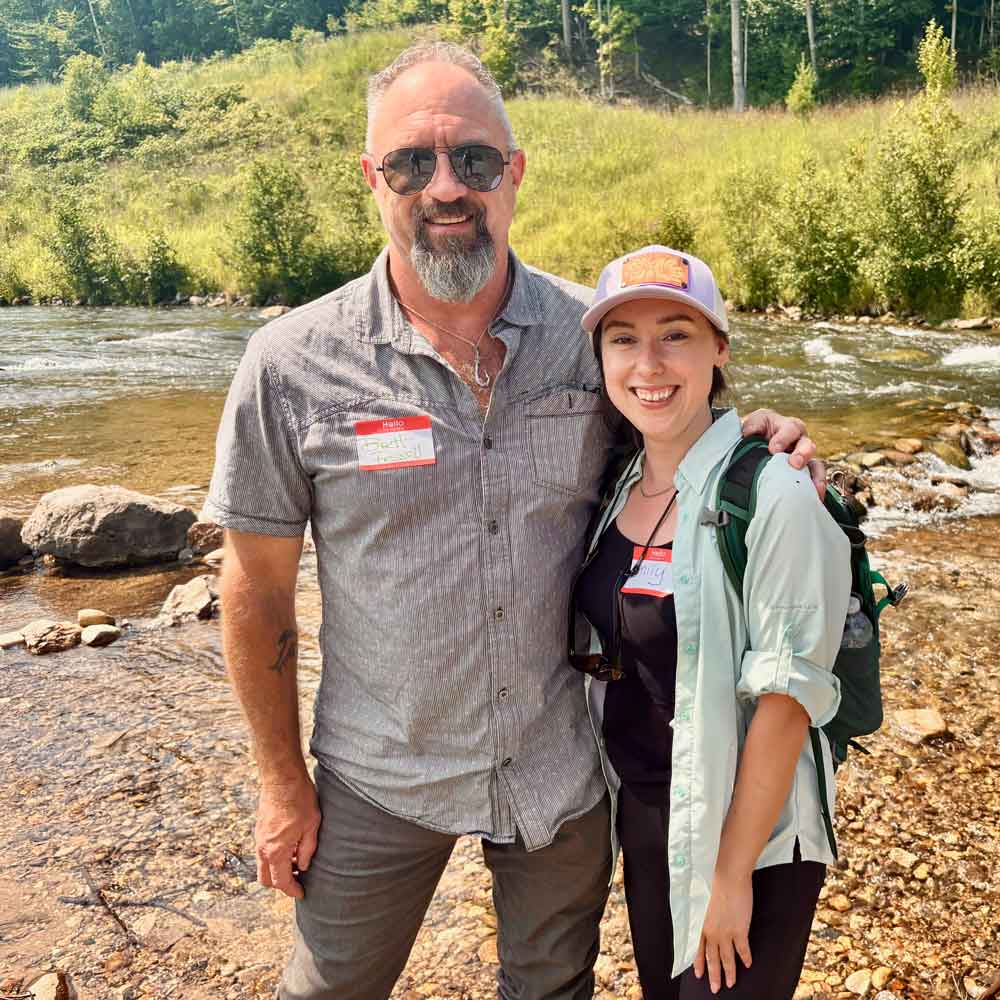
Emily Azevedo-Casey
PhD, Environment and Resources
Emily’s project advanced community-engaged watershed research with the Grand Traverse Band of Ottawa and Chippewa Indians in Michigan. Mini-grant funding supported fieldwork, travel, and honoraria for Indigenous collaborators, centering Indigenous leadership in water governance and food sovereignty research.
As a first-generation scholar, Emily described this support as transformative — enabling participatory research grounded in equity and justice while strengthening relationships critical to long-term community impact.
Strengthening the Ecosystem Services Tool for Direct-to-Market Farmers
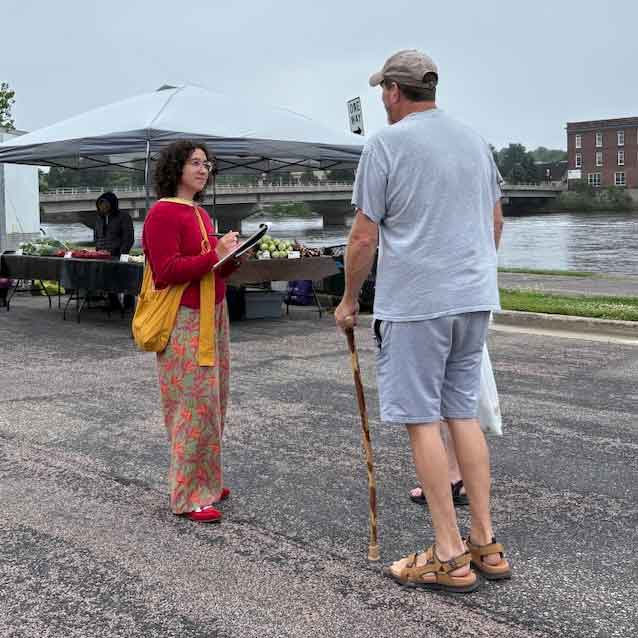
Liz Khomenkov
MS, Agroecology
Partnering with the Central Wisconsin Farmers Market Collaborative, Liz worked to enhance the Ecosystem Services (ESS) Tool to help farmers communicate their regenerative practices to consumers.
Farmers created market-ready infographics showcasing ecological stewardship, encouraging climate-smart purchasing decisions. While customer engagement revealed opportunities for improved design, the process empowered farmers to reflect on and strengthen their sustainable practices — reinforcing local food system resilience and equity.
Exploring Perennial Agriculture Through Rootedness in Place
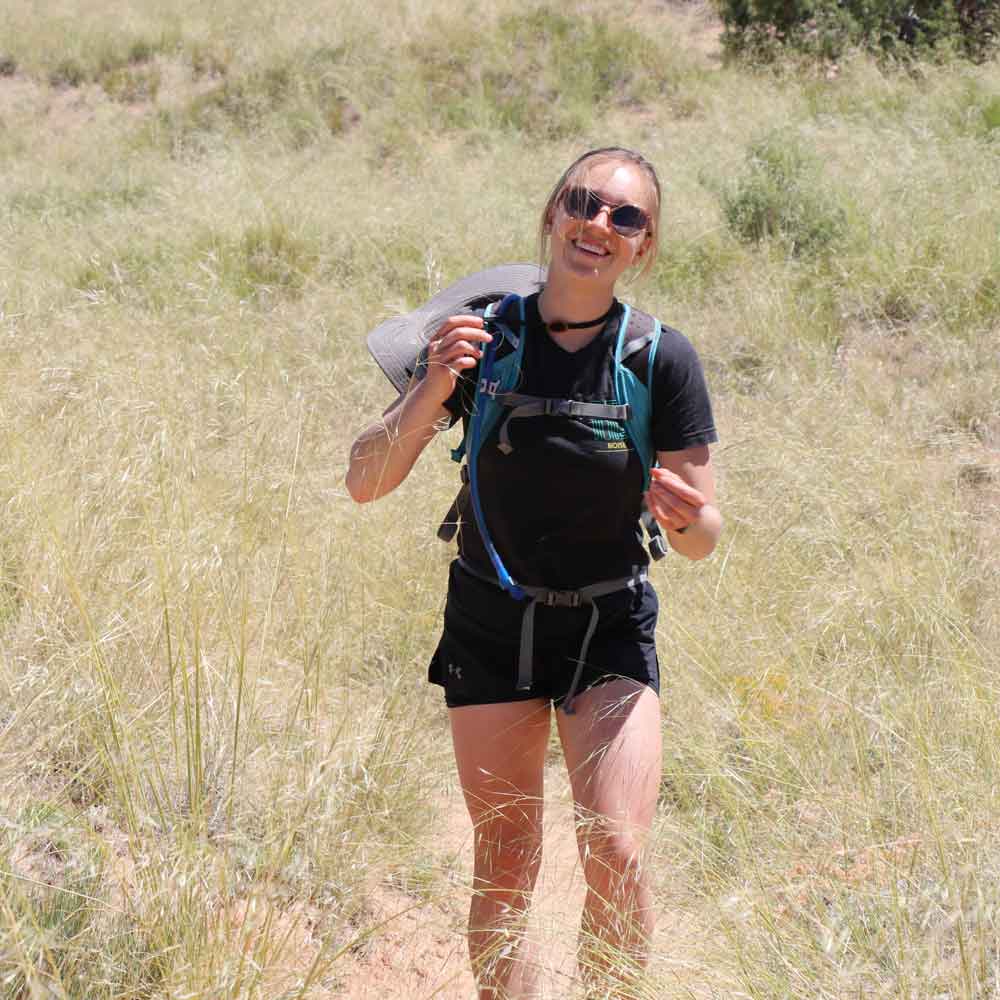
Jessica Mehre
PhD, Environment and Resources
Jessica’s work explored how farmers in east-central Wisconsin understand the relationship between place, possibility, and agricultural practice. Through dozens of on-farm conversations, she documented how local knowledge shapes visions of sustainable agriculture.
These place-based insights will inform her dissertation research on perennial systems, supporting clean water, healthy soils, and economically viable farms across Wisconsin’s landscapes.Farmers created market-ready infographics showcasing ecological stewardship, encouraging climate-smart purchasing decisions. While customer engagement revealed opportunities for improved design, the process empowered farmers to reflect on and strengthen their sustainable practices — reinforcing local food system resilience and equity.
Assessing Hemp Pest Damage & Crop Viability in the Midwest
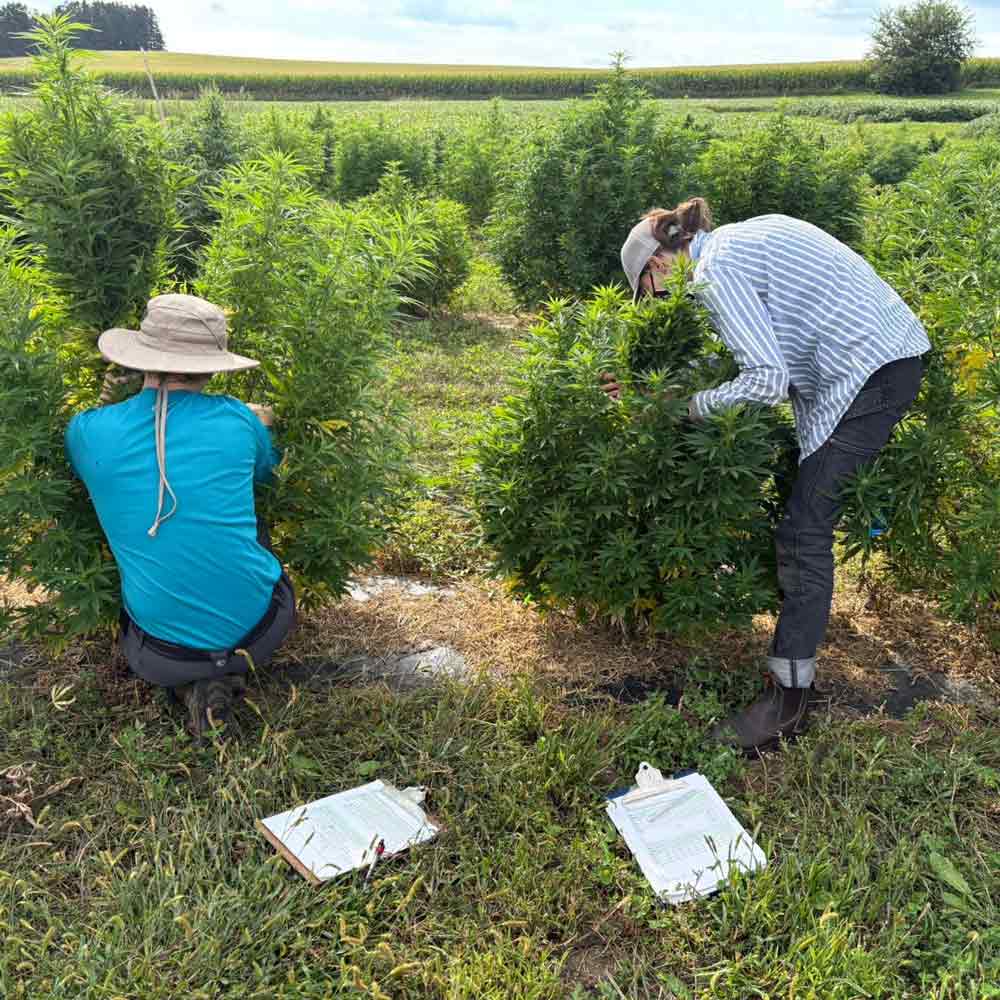
Sophie Perry
MS, Agroecology
With the rapid growth of the U.S. hemp industry, farmers face emerging pest pressures with limited research guidance. Sophie’s project evaluates damage caused by major borer pests and examines how insect feeding may influence cannabinoid levels — potentially affecting crop legality and marketability.
Her findings will provide critical insights for growers selecting cultivars and managing pest risks, strengthening the long-term viability of hemp production in the Midwest.
The Transition of U.S. Agricultural Land to Conservation Reserves
Danielle Schmidt
PhD, Sociology/Community & Environmental Sociology
Danielle’s mixed-methods research examines how agricultural land transitions into conservation affect rural landscapes and communities. Through interviews with producers in northeastern Montana, she is uncovering how land market pressures, generational change, and conservation partnerships are reshaping agricultural futures.
Her early findings suggest that conservation and production are not inherently opposing forces — but building shared visions requires thoughtful leadership and community dialogue.
The Impact of Donor Support
Together, these projects demonstrate the extraordinary return on investment made possible by donor generosity. The CIAS Graduate Student Summer Research Mini-Grant Program not only advances rigorous scholarship — it cultivates leaders prepared to bridge agriculture and conservation, science and community, research and action.
Your support fuels research that is collaborative, equity-centered, and grounded in place. It empowers graduate students to lead boldly, think systemically, and strengthen agricultural systems for Wisconsin and beyond.
Thank you for making this work possible.